he OECD Due Diligence Guidance for Responsible Supply Chains of Minerals from Conflict-Affected and High-Risk Areas is a long document with a short premise: know where your metal comes from, prove it, and be prepared to show your working. What follows is a practical list of the files we think any procurement team should request from any African gold supplier before a first engagement, with a short explanation of what each file proves.
01
The five you should always ask for.
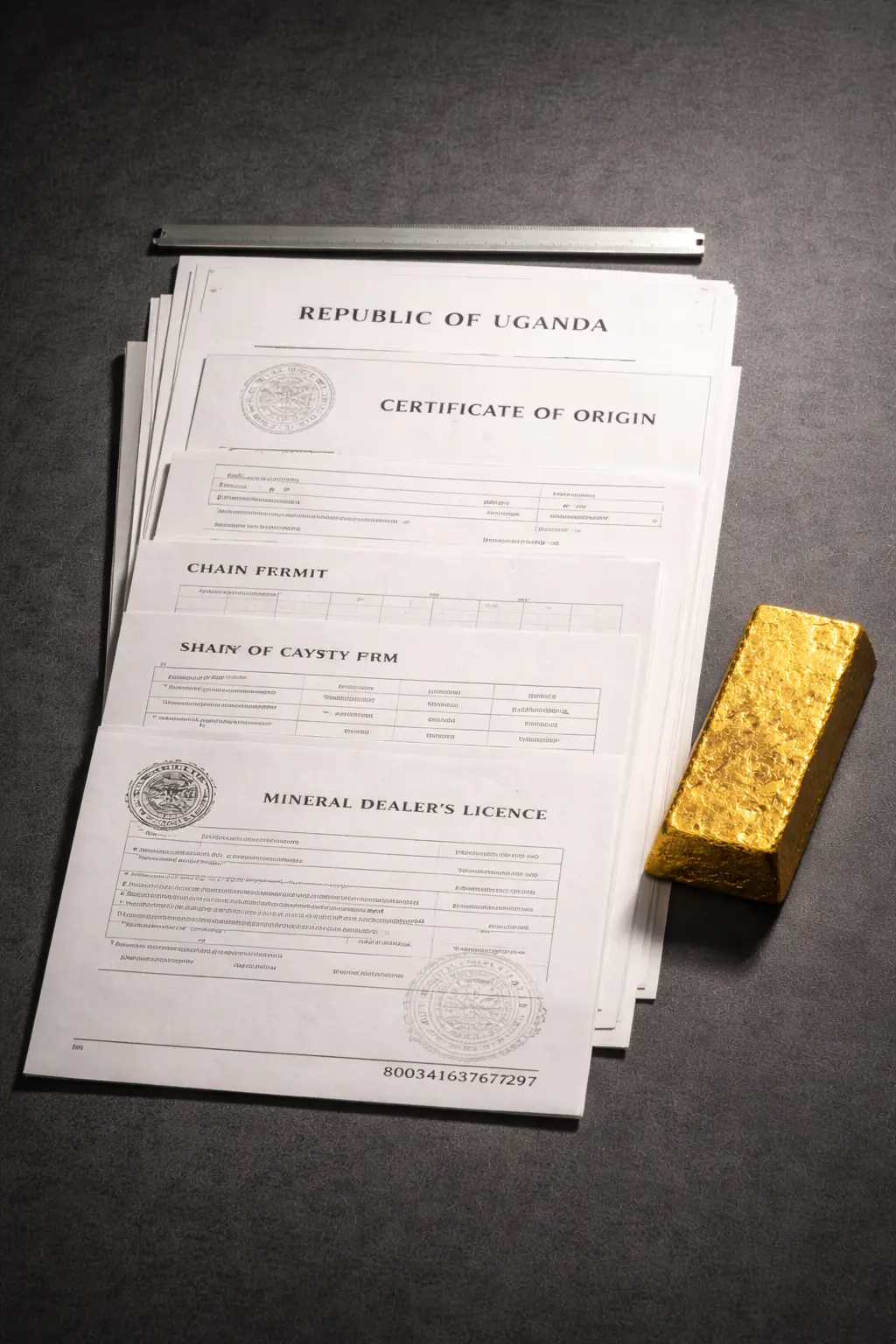
- 01Concession title or mining lease — the ground under the metal.
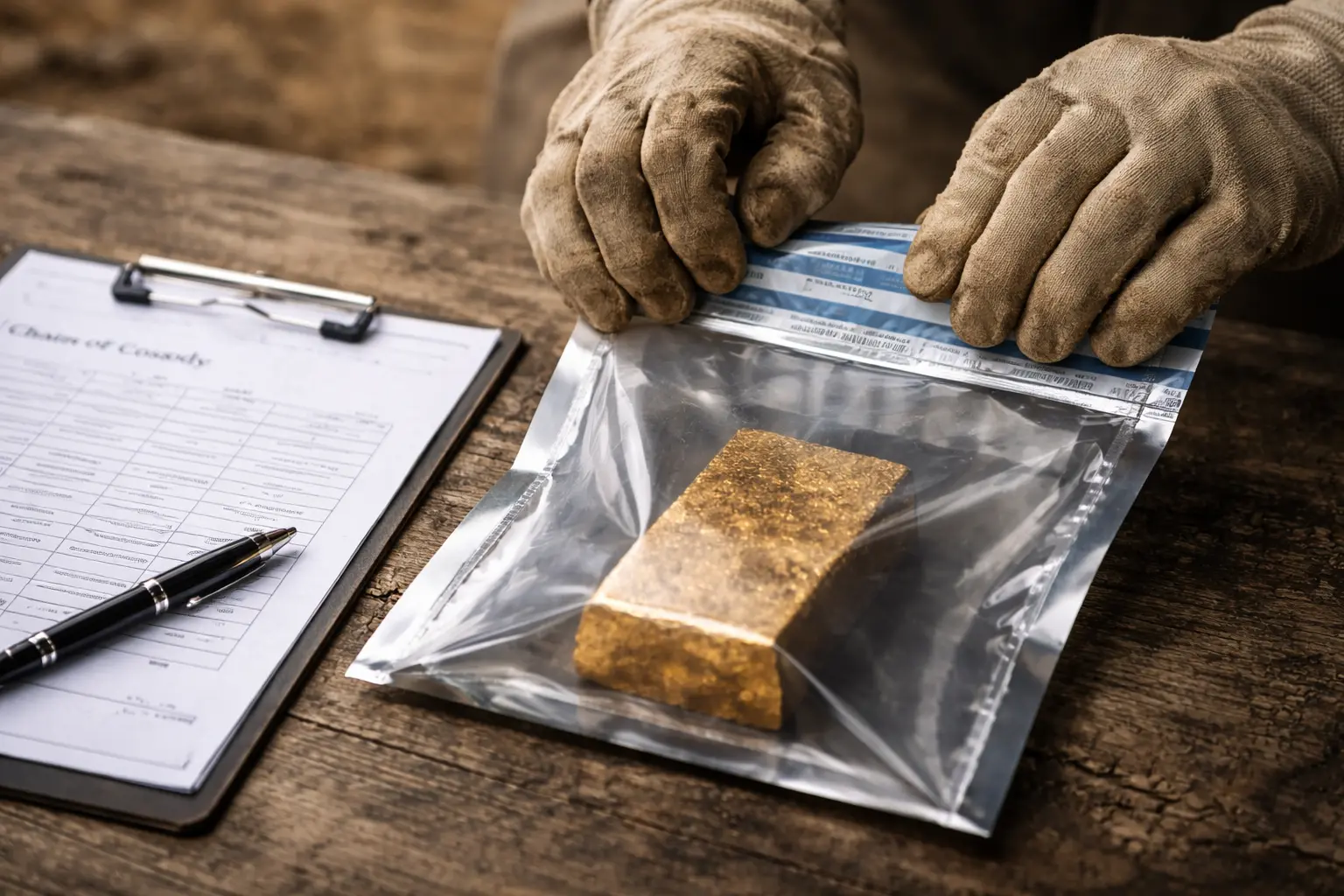
- 02Chain-of-custody log — named signatures at every transfer point.
- 03Assay certificates — fire assay minimum, ICP preferred, issued by a named metallurgist.
- 04Export licence — current, in the exporting company's name, not a broker.
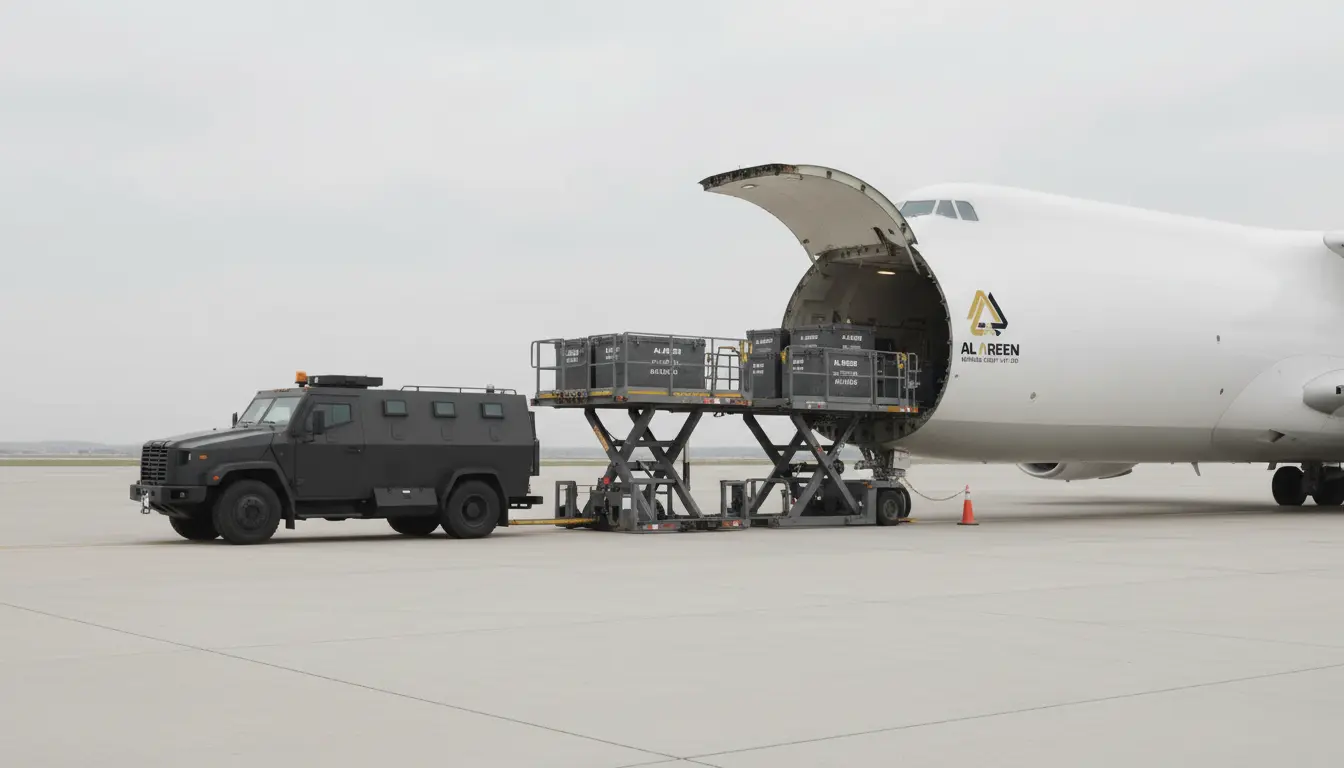
- 05Transport insurance certificate — per shipment, naming the specific transit corridor.
Any supplier who hesitates on any of these files is not ready to be a counterparty to an institutional buyer. That is not a judgement; it is an observation about how much paperwork a real export chain produces. The files exist or they do not.
02
The two nobody thinks to ask for.
Most procurement checklists stop at the five above. The two that matter most in a real audit are the ones that almost nobody on the buying side remembers to request. We ask for both on every engagement, and we offer both on every outbound.
- The reconciliation ledger between the assay desk and the vault desk. It should match kilo-for-kilo with no unexplained deltas.
- The signed handover log at the border crossing. A single page, but it is the page that ties country-of-origin to country-of-export.
“If the reconciliation ledger does not balance to the fourth decimal place, we stop. Every time. It is the single most honest document in the chain.”
— Head of Compliance, Al Areen
The rest of this guide walks through how to read each of these seven files, what a good one looks like, what a bad one looks like, and the specific red flags we have seen over the last year. It is written to be printed, not scrolled. Download the companion PDF below if it is useful to your team.