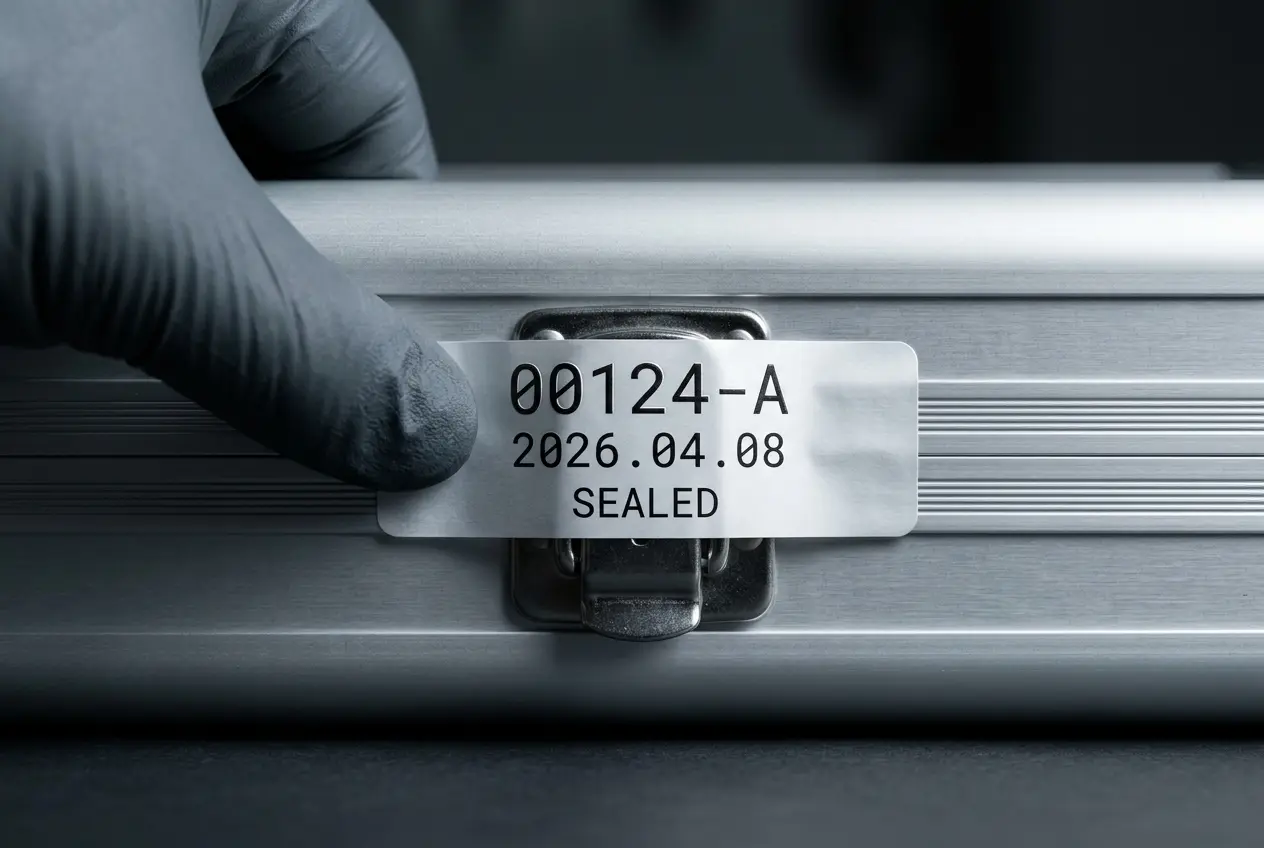
sealed shipment is not a marketing phrase. It is a physical condition: the tamper-evident seal applied at the vault must be intact and visible at the moment the receiving party takes custody, with the seal number matching the manifest and every transfer point in between. Anything else is a shipment that was sealed at some point and is now making a claim about itself.
The three moments where most operators slip.
- 01Customs inspection — a routine inspection that breaks the seal and replaces it with a customs seal. Often not reconciled back to the original manifest.
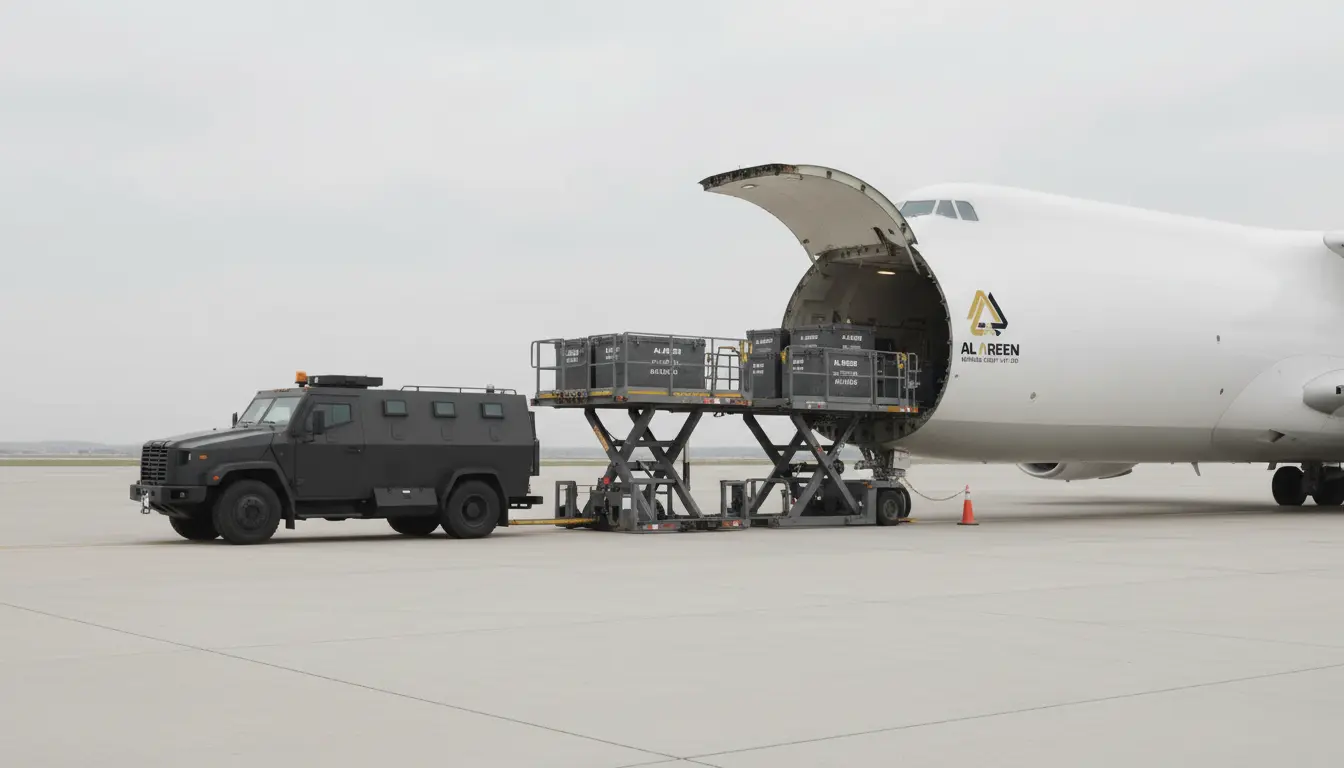
- 02Transport transfer — a vehicle change at an air cargo terminal where the seal is not re-verified by the receiving courier before the handover is signed.
- 03Final delivery — the receiving officer signs the handover based on the manifest rather than against a physical check of the seal number.
Each of these is avoidable with a discipline that is not expensive but is unusual: verify the seal number against the manifest at every handover, by hand, with a pen, in front of the other party. Every time. No exceptions.
“The seal is a promise the metal makes to itself. You either keep the promise or you don't, and nobody keeps it halfway.”